Quick Answer:
Who Pays After a Car Accident in a Borrowed Car?
If you get into a car accident while driving a friend’s car, the vehicle owner’s insurance policy will usually provide primary coverage because insurance generally follows the car, not the driver. However, coverage and liability can depend on:
- Whether you had permission to drive the car
- Who caused the accident
- Whether damages exceed the policy limits
Borrowing a friend’s car may seem harmless until an accident suddenly changes everything. After a crash, you need to understand who is responsible for paying for vehicle damage, medical bills, lost wages, and other expenses. These situations can quickly become stressful because multiple insurance policies, liability questions, and legal issues may come into play.
You may worry about damaging a friendship, increasing someone’s insurance premiums, or being personally responsible for costs that exceed insurance coverage. Likewise, if someone borrows your vehicle and causes a serious accident, you may wonder whether your own insurance policy will have to pay.
In most situations, auto insurance follows the car rather than the driver. However, there are important exceptions that can affect who pays after an accident involving a borrowed vehicle.
Key Takeaways About Accidents in a Friend’s Car
- In most cases, the vehicle owner’s insurance policy provides primary coverage for an accident.
- Permission to drive the vehicle is one of the most important factors in determining coverage.
- The driver’s personal insurance may provide secondary coverage if damages exceed the owner’s policy limits.
- Insurance coverage can become complicated when the driver regularly uses the vehicle or is specifically excluded from coverage.
- Liability may depend on who caused the accident and whether negligence contributed to the crash.
Does Insurance Follow the Car or the Driver?
One of the most important concepts in borrowed-car accidents is understanding how auto insurance coverage generally works. In most states, auto insurance usually follows the vehicle rather than the individual driving it.
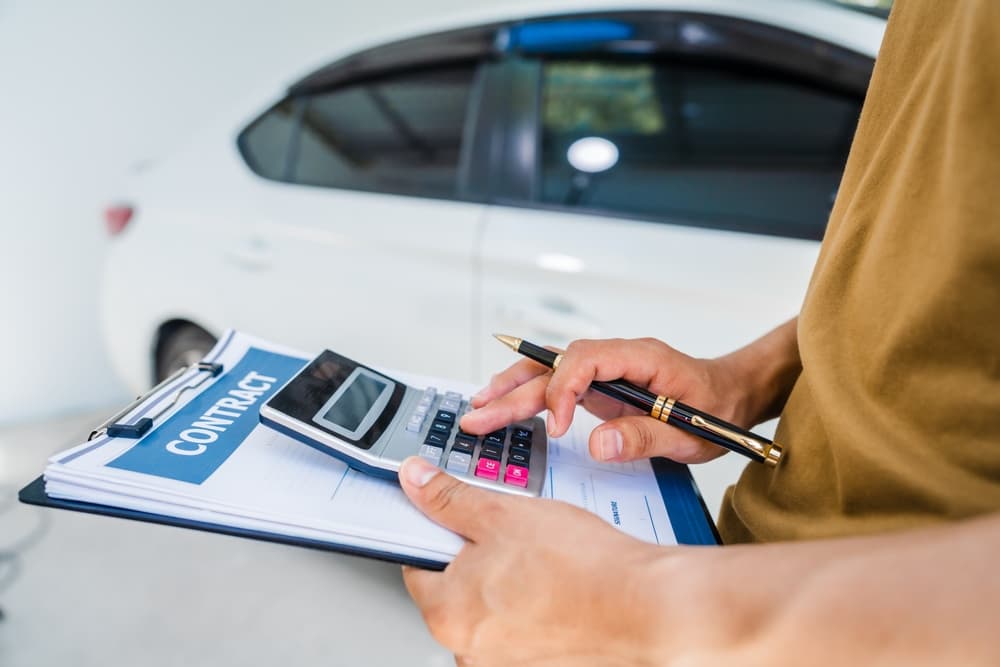
The Florida Department of Highway Safety and Motor Vehicles regulates vehicle insurance requirements. Under these rules, the owner’s insurance policy is typically the primary source of coverage when someone with permission to drive crashes the car.
For example, if your friend lets you borrow their SUV to run errands and you accidentally rear-end another driver, your friend’s insurance policy would usually handle the car accident claim first. However, the situation may become more complicated when:
- Crash damages exceed policy limits
- The driver did not have permission to use the car
- The driver was excluded from the policy
- The driver regularly uses the vehicle
- Commercial or rideshare activity was involved
What Is Permissive Use?
Insurance companies often use the term “permissive use” when discussing accidents involving borrowed vehicles. Permissive use simply means the vehicle owner gave someone permission to drive the car. That permission may be verbal, implied by past behavior, or formally documented, depending on the situation.
When a driver has permission to use the vehicle, the owner’s insurance policy will usually provide coverage for accident damages, including property damage, bodily injury claims, and certain legal expenses. However, the exact scope of coverage still depends on the insurance policy itself.
Permissive use commonly applies when a friend borrows a vehicle for errands, a parent allows a child to drive the family car, or someone temporarily loans their vehicle to another person. Without permission, however, the insurance company may deny coverage entirely.
What Happens if You Crash a Friend’s Car While Driving With Permission?
If you get into an accident while driving a friend’s car with their permission, the vehicle owner’s insurance policy will usually serve as the primary source of coverage. That policy may help pay for vehicle repairs, medical expenses, property damage, and liability claims resulting from the crash.
However, serious accidents can sometimes exceed the owner’s policy limits. If that happens, your auto insurance policy may provide secondary coverage, depending on its terms. For example, if your friend carries only minimal liability coverage and the crash causes extensive injuries, your insurance may help cover the remaining damages.
What Happens if You Did Not Have Permission To Drive the Car?
Accidents involving non-permissive use often create major insurance disputes. If someone takes a vehicle without permission and causes a crash, the owner’s insurance company may refuse to cover the accident. In some situations, the vehicle may even be considered stolen under the law.
These cases can become complicated because insurance companies frequently investigate whether permission was actually given. For example, disputes may arise if someone borrowed the car after being denied permission or used the vehicle beyond what the owner allowed.
If coverage is denied, the unauthorized driver’s insurance policy may become responsible for damages instead.
What if a Friend Crashes Your Car?
If a friend borrows your car with your permission and causes an accident, your insurance policy will usually provide primary coverage, even if you were not in the vehicle at the time. Many people are surprised to learn that they can still face insurance consequences after someone else crashes their car.
Unfortunately, a claim involving your vehicle may affect your insurance premiums, claims history, and future renewal rates. Insurance companies generally associate risk with the insured vehicle itself, which is why permissive-use accidents can still financially impact the vehicle owner.
Can Your Insurance Rates Increase if Someone Else Crashes Your Car?
Yes. Even if another person was driving your vehicle, your insurance premiums may still increase after an accident. According to the Insurance Information Institute, companies often raise rates after at-fault car crashes because they view the incident as part of the vehicle’s claims history.
Potential consequences in these situations can include higher monthly premiums, loss of safe-driver discounts, and increased renewal costs.
What Happens if Damages Exceed Insurance Limits?
Serious car accidents can quickly exceed insurance policy limits, particularly when catastrophic injuries are involved. In these situations, the owner’s insurance policy typically pays first, but additional liability may still remain.
If damages exceed available coverage, the driver’s personal insurance policy may provide secondary coverage. Injured victims may also pursue compensation directly from the driver or vehicle owner through a personal injury lawsuit.
This risk is one reason why carrying only minimum insurance coverage can create major financial exposure after a serious accident.
Are Household Members Automatically Covered?
Many insurance companies automatically extend coverage to household members who regularly drive the insured vehicle. This often includes spouses, teenage children, and relatives living in the home.
However, insurance policies vary significantly. Some insurers require all household drivers to be specifically listed on the policy. Failing to disclose regular drivers can sometimes result in denied claims or coverage disputes after an accident.
What Is an Excluded Driver?
Some auto insurance policies contain excluded-driver provisions. An excluded driver is someone specifically barred from coverage under the policy, even if they have permission to drive the vehicle.
Drivers are often excluded because of:
- DUI convictions
- Poor driving histories
- Multiple prior accidents
- Suspended licenses
If an excluded driver causes an accident while operating the vehicle, the insurance company will likely deny coverage entirely.
What if a Friend Regularly Drives Your Car?
Insurance problems commonly arise when someone frequently uses a vehicle but is not listed on the insurance policy. This may happen when a boyfriend, girlfriend, roommate, or close friend regularly borrows the car.
If the insurance company determines that the person regularly drove the vehicle but was never added to the policy, it may attempt to deny or limit coverage after an accident. To avoid these disputes, it is usually safest to formally add frequent drivers to the policy.
What if Another Driver Caused the Accident?
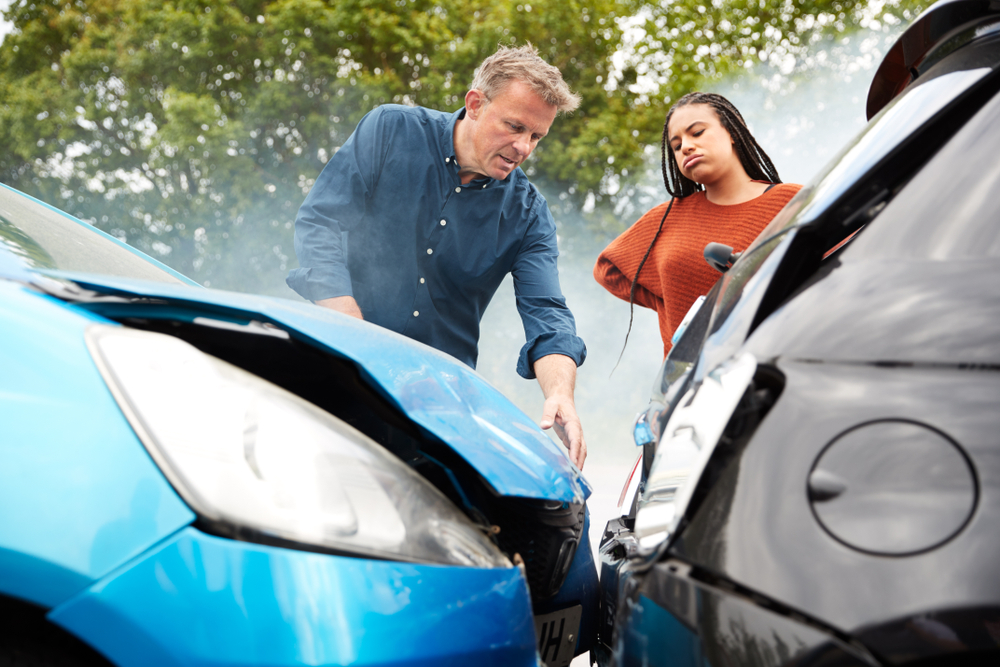
Not every accident involving a borrowed vehicle is the fault of the person driving the borrowed car. If another driver caused the crash, their insurance company may ultimately be responsible for the damages and injuries suffered.
Depending on the circumstances, compensation may include:
- Vehicle repair costs
- Medical expenses
- Lost income
- Pain and suffering damages
Florida’s no-fault insurance laws can sometimes complicate injury claims, especially in serious accidents involving significant injuries.
Can You Sue a Friend After a Car Accident?
Suing a friend after a car accident can be emotionally difficult, but legal action may sometimes become necessary when serious injuries or major financial losses occur. These situations most often arise when:
- Insurance coverage is insufficient
- Severe injuries occurred
- Property damage exceeds policy limits
- Reckless behavior contributed to the crash
In many cases, claims are primarily directed toward available insurance coverage rather than the individual personally. Still, these cases can create tension and uncertainty for everyone involved.
What if Your Friend Was Driving Recklessly?
Insurance coverage disputes often become more serious when reckless or illegal behavior contributed to the accident. Insurance companies may investigate more aggressively if the driver was intoxicated, texting while driving, street racing, or operating the vehicle without a valid license.
Some insurance policies contain exclusions for intentional misconduct or criminal acts. If reckless behavior played a role in the crash, injured victims may pursue claims directly against the driver in addition to filing insurance claims.
What To Do After an Accident in a Borrowed Car
The steps you take after the accident can significantly affect insurance claims and legal liability.
Call Law Enforcement
Always report the accident to the police, especially if injuries or major property damage occurred.
Seek Medical Attention
Even seemingly minor injuries can become serious later. Prompt medical treatment also creates documentation connecting injuries to the accident.
Notify the Insurance Companies
Both the vehicle owner and driver should notify their insurers promptly after the crash.
Document the Scene
If you are able, gather photos of vehicle damage, witness contact information, and insurance information from the other driver.
Avoid Admitting Fault
Do not speculate about fault at the scene. Accident investigations may later determine liability differently.
How Insurance Companies Investigate Borrowed-Car Accidents
Insurance companies often closely investigate accidents involving borrowed vehicles because coverage disputes are more likely. Adjusters may examine:
- Whether permission existed
- How often the driver used the vehicle
- The relationship between the parties
- Policy exclusions
- Driving records
- Statements from witnesses
Because insurers look for reasons to deny coverage, it is important to be careful when giving recorded statements. Consult an experienced car accident lawyer before speaking with an insurance adjuster.
Why Borrowed-Car Accident Claims Can Become Complicated
Borrowed-car accidents often involve overlapping insurance policies and complicated liability questions that are not always easy to resolve.
Insurance companies may disagree about which policy should pay first, whether certain exclusions apply, or whether the driver actually had permission to use the vehicle. In some cases, disputes may also arise over whether the vehicle owner acted negligently by allowing an unsafe driver to operate the car.
These cases can become even more difficult when accident damages exceed available insurance coverage. The more severe the crash, the more aggressively insurance companies may investigate liability and attempt to limit their financial responsibility.
How a Dedicated Car Accident Lawyer Can Help
An auto accident attorney can help protect your rights when insurance coverage becomes complicated after an accident involving a borrowed vehicle. A skilled lawyer may assist by:
- Investigating the crash
- Reviewing insurance policies
- Determining liability
- Negotiating with insurers
- Handling denied claims
- Pursuing compensation for injuries and damages
Legal guidance can be especially important when catastrophic injuries, disputed liability, or insufficient insurance coverage are involved.
Frequently Asked Questions About Accidents in a Friend’s Car
Does my friend need to be present for their insurance to cover me?
No. In most situations, the vehicle owner does not need to be present as long as they gave you permission to use the vehicle.
Will filing a claim against my friend’s insurance hurt our friendship?
Many people worry about this issue, but claims are typically handled through the insurance company rather than directly against your friend personally. The purpose of auto insurance is to provide financial protection after accidents.
Can I drive someone else’s car if I do not have my own insurance?
Possibly, but it depends on the owner’s insurance policy and whether you had permission to drive the vehicle. However, driving without your own insurance coverage can create additional financial risks.
What happens if multiple people are injured in the accident?
When several people are injured, insurance policy limits may be divided among all claimants. This can create disputes if available coverage is insufficient to fully compensate everyone.
Does collision coverage pay for damage to the borrowed vehicle?
If the vehicle owner carries collision coverage, it will often help pay for repairs to the borrowed vehicle regardless of who was driving, subject to the policy's deductible.
Contact the Team at Holliday Karatinos After a Borrowed-Car Accident
Accidents involving borrowed vehicles can quickly become complicated. Questions about insurance coverage, liability, medical bills, and vehicle damage often create confusion and stress for everyone involved.

Understanding your legal rights can make a major difference in protecting your financial future after a serious crash.
At Holliday Karatinos, we help Florida accident victims navigate complex insurance claims and pursue compensation after car accidents involving borrowed vehicles, permissive drivers, and disputed liability situations.
Contact Holliday Karatinos today at (352) 597-0009 to discuss your case during a free, no-obligation consultation.

James Wayne Holliday
James Wayne Holliday has been practicing law since 1995. He has been named as a “Best Attorney” Lifetime Charter Member in Florida, an honor awarded to less than one percent of the nation’s lawyers.
Mr. Holliday has earned a reputation as a relentless trial lawyer because of his outstanding work ethic and thorough preparation of his cases for trial.
Author's Bio


