If you were injured at a rental property, your first question may be: Is your landlord responsible if you get hurt?
The answer depends on several factors, including what caused the injury, whether the landlord knew about the hazard, and whether they failed to fix it.
Landlords have a legal duty to maintain safe living conditions for tenants and visitors. When they fail to repair dangerous conditions or warn about known hazards, they may be held responsible for injuries that occur on the property.
However, not every accident automatically leads to liability. Understanding when a landlord is responsible can help you determine whether you may have a valid premises liability claim.
If you were injured in an apartment, rental home, or other residential property, speaking with a premises liability attorney can help you understand your legal options.
Key Takeaways About When a Landlord May Be Responsible for Injuries
- Landlords may be responsible if you are injured due to unsafe or poorly maintained property conditions
- Liability often depends on whether the landlord knew or should have known about the hazard
- Common causes of injuries include slip and falls, broken stairs, poor lighting, and unsafe common areas
- Landlords are generally responsible for common areas and structural issues, not tenant-controlled spaces
- Florida law requires landlords to maintain safe and habitable living conditions
- You may be able to recover compensation for medical bills, lost wages, and pain and suffering
- Strong evidence—such as photos, reports, and maintenance records—can help support your claim
- Speaking with an attorney can help determine whether your injury qualifies for a premises liability lawsuit
When Is a Landlord Responsible for Personal Injuries?
A landlord may be responsible for your injuries if their negligence caused or contributed to the accident. In most cases, this means proving that:
- A dangerous condition existed on the property
- The landlord knew or should have known about it
- The landlord failed to fix the issue or provide adequate warning
- The hazard caused your injury
For example, if a landlord ignores repeated complaints about broken stairs and a tenant later falls on the stairs and is injured, the landlord may be held liable.
Common Situations Where Landlords May Be Liable
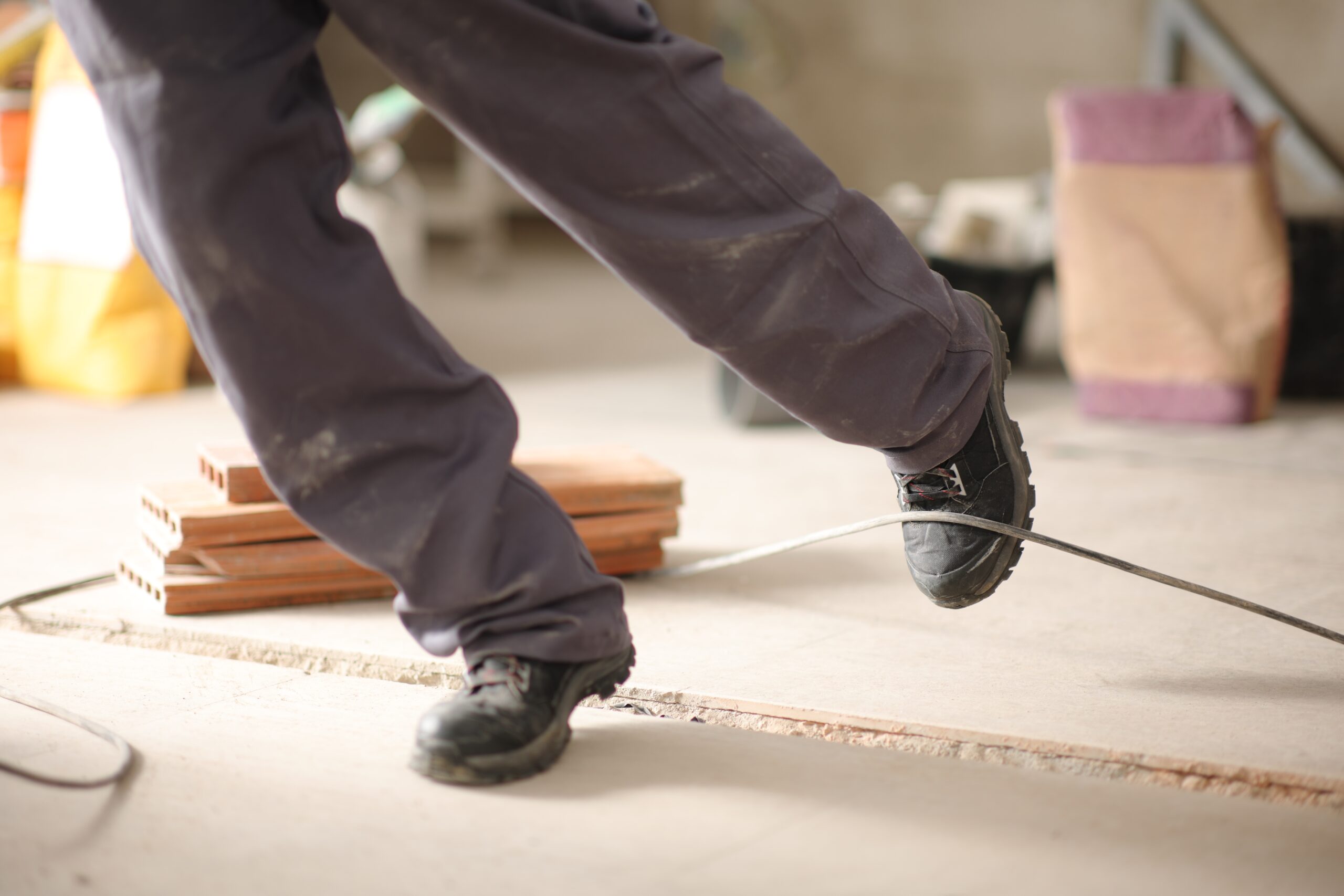
Landlord liability often arises when hazards are left unaddressed. Some of the most common situations include:
Unsafe Stairs or Railings
Broken or unstable stairs are a frequent cause of serious injuries. For example, a tenant may suffer a fall due to:
- Loose handrails
- Cracked steps
- Missing stair supports
If the landlord was aware of the issue but failed to repair it, they may be held responsible.
Slip and Fall Accidents
Slip and fall injuries often occur in shared areas such as:
- Hallways
- Stairwells
- Entryways
- Parking lots
For instance, if water accumulates in a hallway due to a leaking pipe and the landlord fails to address it, a slip-and-fall injury could lead to a claim.
Poor Lighting in Common Areas
Inadequate lighting can make it difficult to see hazards. This is especially dangerous in:
- Parking lots
- Stairwells
- Walkways
For example, a tenant who trips over uneven pavement in a poorly lit parking area may have a valid claim if the landlord failed to maintain proper lighting.
Negligent Security
Landlords may also be responsible for injuries caused by inadequate security. This can include:
- Broken locks
- Lack of security cameras
- Unsecured entrances
- Failure to address known criminal activity
For example, if a landlord ignores repeated reports of break-ins and fails to fix broken locks, they may be liable if a tenant is injured during a crime.
Hazardous Conditions in Common Areas
Landlords are typically responsible for maintaining common areas. This includes:
- Elevators
- Pools
- Laundry rooms
- Sidewalks
If these areas are not properly maintained, injuries can occur, and accident victims may have a viable claim for their personal injuries.
When a Landlord May Not Be Responsible
There are situations where a landlord may not be liable for an injury. For example:
Hazards Inside a Tenant’s Unit
If a dangerous condition exists inside a rental unit that the landlord did not know about, they may not be responsible. For example, if a tenant creates a hazard—such as leaving clutter on the floor—the landlord is generally not liable.
Lack of Notice
Landlords are typically only responsible for hazards they knew about or should have known about. If a dangerous condition appeared suddenly and the landlord had no reasonable opportunity to fix it, liability may not apply.
Tenant Negligence
If the injured person’s own actions contributed to the accident, it may affect their ability to recover compensation. For example, running in a poorly lit area or ignoring warning signs could reduce or limit recovery under Florida’s comparative negligence laws.
What Does Florida Law Say About Landlord Responsibility?
Florida premises law requires landlords to maintain rental properties in a reasonably safe and habitable condition. This includes responsibilities such as:
- Complying with building and housing codes
- Maintaining structural components like roofs, stairs, and floors
- Keeping common areas safe and clean
- Addressing known hazards in a timely manner
If a landlord fails to meet these obligations and someone is injured as a result, they may be held legally responsible.
What Must You Prove in a Landlord Injury Claim?
To succeed in a claim against a landlord, you generally need to prove four legal elements:
Duty of Care
The landlord had a legal obligation to maintain safe conditions.
Breach of Duty
The landlord failed to repair or warn about a dangerous condition.
Causation
The unsafe condition directly caused your injury.
Damages
You suffered measurable losses, such as medical expenses or lost income.
What Compensation Can You Recover?
If your claim is successful, you may be able to recover compensation for:
- Medical bills
- Future medical treatment
- Lost wages
- Loss of earning capacity
- Pain and suffering
- Emotional distress
The amount of possible compensation depends on the severity of your injuries and how they affect your life. A dedicated premises liability lawyer can better explain what you might receive during a free consultation.
What to Do After an Injury at a Rental Property
Taking the right steps after an injury can help protect your health and your claim.
Always Seek Medical Attention
Your health should be your first priority. Prompt medical treatment also creates documentation of your injuries.
Report the Incident
Notify your landlord or property manager about the accident as soon as possible.
Document the Scene
Take photos or videos of the hazard that caused your injury. For example, capture:
- Broken stairs
- Wet floors
- Poor lighting conditions
Gather Witness Information
If anyone saw the accident, ask for their contact information.
Keep Records
Save all documentation related to your injury, including:
- Medical bills
- Repair requests
- Communications with your landlord
How Evidence Can Strengthen Your Claim
Strong evidence is essential in landlord injury cases. Helpful evidence may include:
- Maintenance records
- Prior complaints about the hazard
- Inspection reports
- Surveillance footage
- Expert testimony
For example, emails showing that a tenant reported a broken railing before the accident can help establish that the landlord had notice of the hazard.
How a Personal Injury Attorney Can Help
Landlord injury claims can be complex, especially when dealing with insurance companies, property managers, and legal standards that are not always easy to understand. While you may know you were hurt, proving that a landlord is legally responsible requires careful analysis, strong evidence, and strategic negotiation.
An experienced personal injury attorney can guide you through this process and help protect your rights at every stage of your claim in the following ways:
Evaluating Your Case
One of the first steps an attorney takes is determining whether you have a valid premises liability claim. This involves analyzing key questions such as:
- Did the landlord have a duty to maintain the area where the injury occurred?
- Was there a dangerous condition on the property?
- Did the landlord know, or should they have known about the hazard?
- Did their failure to act directly cause your injuries?
An attorney will also assess the full extent of your damages, including both immediate and long-term impacts. This ensures your claim reflects more than just your current medical bills.
Gathering Evidence
Strong evidence is critical to proving landlord negligence. Without it, even valid claims can be denied or undervalued.

A personal injury attorney can help gather and preserve important evidence, including:
- Maintenance and repair records
- Prior complaints made to the landlord
- Lease agreements outlining responsibilities
- Inspection reports
- Photos or videos of the hazard
- Surveillance footage, if available
- Medical records linking your injury to the accident
For example, if you previously reported a broken stair or faulty lighting and the landlord failed to fix it, documentation of that complaint can significantly strengthen your case.
Attorneys may also work with experts, such as building inspectors or medical professionals, to support your claim.
Handling Insurance Companies
After an injury, you may be contacted by the landlord’s insurance company. While adjusters may seem helpful, their goal is often to limit the amount paid on your claim. They may:
- Ask for recorded statements
- Request broad access to your medical history
- Offer quick settlements before you understand the extent of your injuries
- Attempt to shift the blame onto you
A personal injury attorney can handle all communication with the insurance company on your behalf. This helps prevent mistakes that could weaken your claim and ensures that your rights are protected throughout the process.
Negotiating a Settlement
Most premises liability cases are resolved through settlement rather than going to trial. However, the first offer from an insurance company is often lower than what your claim may be worth.
A skilled injury attorney can negotiate for compensation that more accurately reflects your damages by:
- Presenting evidence that supports liability
- Demonstrating the seriousness of your injuries
- Calculating long-term financial and personal impacts
- Challenging lowball or unfair settlement offers
Effective negotiation can significantly affect the outcome of your case.
Filing a Lawsuit if Necessary
If a fair settlement cannot be reached, your attorney can take the next step and file a personal injury lawsuit. This process may involve:
- Filing legal documents within the required deadlines
- Conducting discovery to gather additional evidence
- Taking depositions from witnesses and involved parties
- Working with expert witnesses
- Representing you in court
While many cases settle before trial, having an attorney prepared to litigate can increase pressure on the opposing party to offer a more reasonable settlement.
Helping You Avoid Costly Mistakes
Many injured individuals unintentionally harm their claims by:
- Accepting a settlement too quickly
- Failing to document the hazard
- Posting about the accident on social media
- Missing important legal deadlines
An attorney can help you avoid these common pitfalls and guide you through each step of the process.
Providing Support During Recovery
Beyond the legal aspects, working with an attorney can provide peace of mind during a difficult time. Recovering from an injury can be physically and emotionally demanding, and having someone handle the legal process allows you to focus on healing.
Frequently Asked Questions About Landlord Responsibility for Injuries
Can you sue your landlord for a slip and fall?
Yes, you may be able to sue your landlord if a slip and fall was caused by unsafe conditions they failed to fix or warn about.
Are landlords responsible for tenant injuries in common areas?
In many cases, yes. Landlords are typically responsible for maintaining common areas and may be liable if unsafe conditions cause injuries.
What if I was partially at fault for the accident?
You may still be able to recover compensation, but your recovery could be reduced based on your level of responsibility. Talk to a knowledgeable injury lawyer to better understand how your partial fault could affect your claim.
Can a landlord be responsible for criminal acts on the property?
In some cases, yes. If a landlord fails to provide reasonable security and a foreseeable crime occurs, they may be held liable in addition to the perpetrator.
Do I need a lawyer to file a claim against a landlord?
Having a lawyer to represent your interests can improve your chances of recovering fair compensation, especially in complex cases. Plus, most injury lawyers work on a contingency fee basis, so you pay nothing out of pocket for their services.
The Team at Holliday Karatinos Can Explain Whether You May Have a Claim Against Your Landlord
If you are asking, “Is my landlord responsible if I get hurt?” the answer depends on whether negligence played a role in your injury.
Unsafe conditions in rental properties can lead to serious injuries and unexpected financial burdens. When landlords fail to keep the environment safe, they may be held accountable.
The attorneys at Holliday Karatinos Law Firm help injured individuals understand their rights and pursue compensation after accidents caused by unsafe property conditions. If you were injured at a rental property, speaking with an attorney can help you determine your next steps.
Call us at (352) 597-0009 or complete our online contact form for a free consultation where we can answer all of your questions with no obligation to take any further action. Reach out today.

James Wayne Holliday
James Wayne Holliday has been practicing law since 1995. He has been named as a “Best Attorney” Lifetime Charter Member in Florida, an honor awarded to less than one percent of the nation’s lawyers.
Mr. Holliday has earned a reputation as a relentless trial lawyer because of his outstanding work ethic and thorough preparation of his cases for trial.
Author's Bio