What are the Most Common Long-Term Injuries After a Non-Fatal Drowning Accident?
The long-term effects of drowning can include:
- Cognitive impairments caused by brain hypoxia
- Chronic lung damage or breathing difficulties
- PTSD, anxiety, or depression
Early medical treatment and ongoing support can improve outcomes, but many survivors and families face lasting physical, emotional, and financial challenges.
Surviving a drowning accident can change someone’s life forever. While many people associate drowning with immediate fatalities, non-fatal drowning incidents can leave survivors with severe physical, neurological, and emotional injuries that continue long after the accident itself.
Even a brief period without oxygen can damage the brain, lungs, heart, and other organs, leading to complications that may require years of treatment and rehabilitation.
Florida’s pools, beaches, lakes, and waterparks attract families year-round. They also create situations where negligent property owners, lifeguards, boat operators, or businesses may fail to provide adequate safety protections.
Understanding the long-term effects of drowning can help families recognize symptoms, seek proper medical care, and understand the true impact these accidents may have on a survivor’s future.
Key Takeaways About the Long-Term Effects of Drowning
- Oxygen deprivation during drowning can cause permanent brain injuries within minutes.
- Near-drowning survivors may experience lasting respiratory problems, cognitive impairments, and emotional trauma.
- Symptoms and complications can appear hours or even days after a drowning incident.
- Children face particularly high risks of developmental and neurological complications after drowning.
- Survivors and families often require extensive medical treatment, therapy, rehabilitation, and long-term support.
What Happens to the Body During a Drowning Incident?
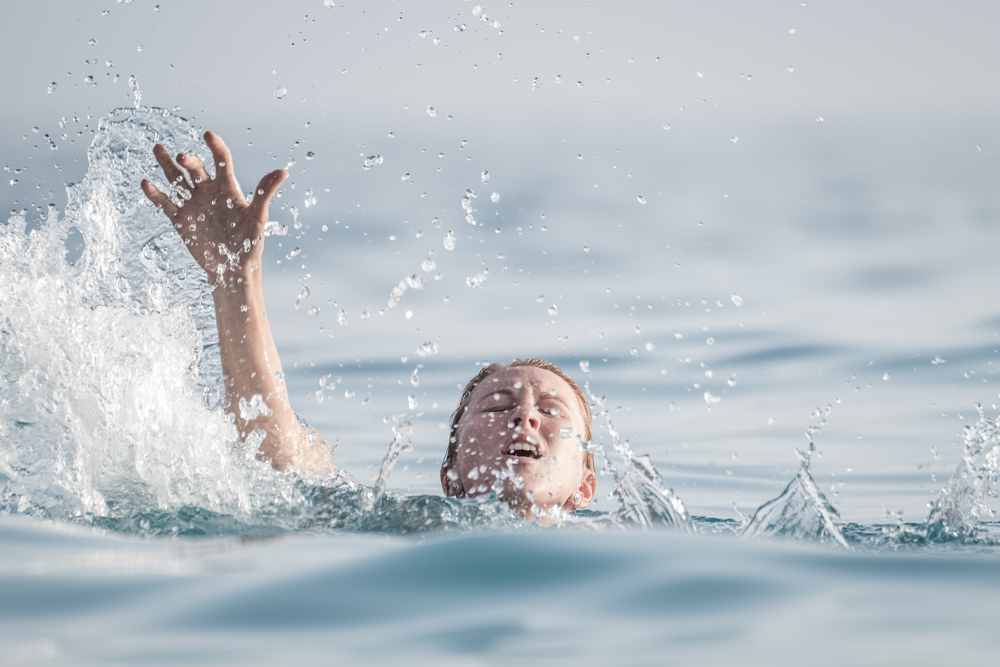
Drowning begins when a person is unable to keep their airway above water, and their oxygen levels begin to drop. As water enters the airway, the body struggles to breathe, and oxygen can no longer reach the bloodstream effectively.
Within minutes, several dangerous processes begin occurring simultaneously. The brain becomes deprived of oxygen. The heart rate slows. Blood circulation decreases. Organs begin to fail. If the brain does not receive oxygen quickly, brain cells begin to die.
According to the Centers for Disease Control and Prevention (CDC), drowning remains one of the leading causes of accidental death for children in the United States.
The amount of time a person goes without oxygen often determines the severity of their long-term injuries. Even if emergency responders successfully revive the person, the body may continue suffering damage after the rescue. These lasting effects can play a significant role in a personal injury lawsuit, as victims may be entitled to compensation for ongoing medical care, lost income, and other damages.
How Quickly Can Brain Damage Occur During Drowning?
Brain damage can begin within four to six minutes after oxygen deprivation starts. The brain requires a constant supply of oxygen to function properly, and when oxygen is interrupted, sensitive brain tissue begins to deteriorate rapidly.
Factors that Detemine Severity of Injury
| Determining Factor | Impact on Injury Severity |
|---|---|
| Duration underwater | The longer the brain is deprived of oxygen, the more severe and permanent the damage becomes. |
| Water temperature | Extremely cold water may slow metabolic processes, potentially extending survival time. |
| Speed of rescue efforts | Immediate extraction from the water is critical to restoring breathing and oxygen flow. |
| Immediate CPR performance | Early resuscitation efforts can prevent further brain cell death and improve survival odds. |
| Survivor’s age and health | Children and individuals with underlying conditions may face different risks and recovery paths. |
People may sometimes survive longer in extremely cold water because cold temperatures can slow the body’s metabolic processes. However, prolonged oxygen deprivation still creates a high risk of permanent neurological damage.
Long-Term Neurological Effects of Drowning
The following neurological injuries are among the most serious and life-altering consequences of drowning accidents:
Hypoxic Brain Injury
Hypoxic brain injury occurs when the brain does not receive enough oxygen. Depending on the severity, survivors may experience:
- Memory loss
- Difficulty concentrating
- Learning disabilities
- Reduced problem-solving abilities
- Speech impairments
- Loss of motor control
- Personality changes
Some survivors require lifelong assistance with daily activities due to severe cognitive impairments.
Developmental Delays in Children
Children who survive drowning incidents may develop developmental delays that become more noticeable over time. Parents may not immediately realize the extent of the injury until the child struggles with speech development, reading comprehension, social interaction, emotional regulation, and school performance.
In severe cases, children may develop permanent disabilities requiring specialized education and therapy.
Seizures and Motor Disorders
A lack of oxygen can disrupt brain electrical activity, increasing the risk of seizures, muscle weakness, coordination problems, and paralysis.
Respiratory Problems After Near-Drowning
The lungs are often heavily damaged during drowning incidents because inhaled water interferes with oxygen exchange. Related problems may include:
Acute Respiratory Distress Syndrome (ARDS)
ARDS is a dangerous condition that can develop after water enters the lungs. Fluid buildup makes breathing difficult and reduces oxygen flow throughout the body. Symptoms may include:
- Severe shortness of breath
- Rapid breathing
- Chest pain
- Blue lips or skin
- Extreme fatigue
ARDS can become life-threatening without immediate medical care.
Secondary Drowning Complications
Some people mistakenly believe a person is safe once they appear alert after being rescued. However, delayed respiratory complications can develop hours later.
Sometimes called “secondary drowning,” these complications may occur when water remaining in the lungs causes inflammation and swelling.
Warning signs can include persistent coughing, trouble breathing, excessive sleepiness, confusion, vomiting, and chest discomfort.
Even if symptoms appear minor, delayed complications can become dangerous quickly.
Cardiovascular Damage Caused by Drowning
Oxygen deprivation also affects the cardiovascular system. During drowning, the heart may struggle to pump oxygen-poor blood throughout the body. Some drowning survivors experience:
- Irregular heart rhythms
- Reduced cardiac function
- Organ damage caused by poor circulation
- Increased risk of future cardiovascular complications
In severe cases, cardiac arrest may occur during the incident, further increasing the risk of permanent injuries.
What are the Emotional and Psychological Effects of Near-Drowning?
The emotional aftermath of a drowning accident can be just as devastating as the physical injuries. They may include:
Emotional and Psychological Effects of Near-Drowning
| Condition | Symptoms |
|---|---|
| Post-Traumatic Stress Disorder (PTSD) | Flashbacks, panic attacks, nightmares, fear of water, difficulty sleeping, and emotional numbness. |
| Anxiety and Depression | Chronic pain, loss of mobility, financial stress, social isolation, and fear of another drowning incident. |
Mental health counseling can play a major role in recovery.
How Drowning Affects Families and Caregivers
The effects of drowning extend beyond the survivor. Families often experience overwhelming emotional and financial burdens while helping a loved one recover.
Caregivers may face:
- Emotional exhaustion
- Anxiety about the survivor’s condition
- Financial hardship from medical expenses
- Reduced work hours
- Long-term caregiving responsibilities
When survivors suffer severe brain injuries, family members may need to coordinate physical, occupational, and speech therapies, home modifications, and ongoing medical appointments. Support groups and counseling services can help families cope with these challenges.
Drowning Statistics in the United States
According to the CDC, drowning remains a major public health concern across the country.
Number of Drownings in the U.S.
Approximately 4,000 fatal unintentional drownings occur annually in the United States. Thousands more people survive non-fatal drowning incidents each year
Who is Most at Risk?
Children between the ages of 1 and 4 face the highest drowning risk. Drowning is one of the leading causes of accidental death among children
Where Do Drowning Accidents Occur?
Florida consistently reports high drowning rates due to its large number of pools, beaches, lakes, and waterways.
How to Prevent the Most Common Causes of Drowning Accidents
Many drowning incidents are preventable and occur because someone acted negligently and/or failed to maintain proper safety measures. Here are the most common causes, and how they can be prevented:
Lack of safety barriers
Install four-sided isolation fencing with self-closing and self-latching gates.
Inadequate supervision
Designate a sober "water watcher" to provide constant, undistracted supervision.
Missing warning signs
Clearly post depth markers and "No Diving" signs in visible locations.
Defective pool drains or equipment
Perform regular safety inspections and install anti-entrapment drain covers.
Unsafe waterpark conditions
Strictly enforce height/age requirements and maintain all machinery and surfaces.
Negligent lifeguards
Ensure lifeguards are properly certified, alert, and follow rotation protocols.
Boating accidents
Require all passengers to wear U.S. Coast Guard-approved life jackets.
Alcohol use around water
Avoid alcohol consumption while swimming, boating, or supervising children.
Poor property maintenance
Repair broken tiles, ladders, and lighting to prevent falls and entrapment.
Why Immediate Medical Care Is Critical After Near-Drowning
A person who survives drowning should always receive emergency medical evaluation, even if they seem fine initially. Doctors may monitor survivors for:
- Delayed lung complications
- Brain swelling
- Oxygen deprivation injuries
- Heart complications
- Infection or pneumonia
Prompt treatment can improve the chances of recovery and help reduce long-term damage.
Long-Term Rehabilitation After a Drowning Injury
Recovery after a drowning accident often involves months or years of rehabilitation. Treatment plans may include:
Physical Therapy
Physical therapy may help survivors regain strength, mobility, coordination, and balance.
Occupational Therapy
Occupational therapists help survivors relearn daily living skills such as dressing, eating, writing, and personal hygiene.
Speech and Cognitive Therapy
Speech-language pathologists may assist with speech impairments, memory issues, communication problems, and cognitive retraining. Recovery varies widely depending on the severity of the injuries.
Can You Sue for Injuries After a Drowning Accident?

If negligence contributed to the drowning incident, survivors and families may have legal grounds to pursue compensation. In Florida, property owners and businesses have a legal duty to maintain reasonably safe premises. When they fail to do so, they may be held financially responsible for resulting injuries, making it important to consult an experienced premises liability lawyer to evaluate your legal options.
Who Can Be Held Responsible for Drowning Accidents?
Several different parties may be held responsible for drowning accidents, including:
- Pool owners
- Hotels and resorts
- Apartment complexes
- Waterparks
- Lifeguard companies
- Boat operators
- Property management companies
These parties can be held financially responsible if their negligence contributed to the incident because, under Florida premises liability law, property owners and businesses have a legal duty to maintain reasonably safe premises. An experienced legal team can investigate to determine all potentially liable parties.
What Compensation is Available in Drowning Injury Cases?
The long-term effects of drowning can create serious financial and emotional burdens for survivors and their families. Depending on the circumstances, victims may be entitled to compensation for both immediate and long-term losses, including:
Medical Expenses
Compensation may cover emergency treatment, hospitalization, surgeries, rehabilitation, medications, and other medical care related to the drowning accident.
Future Medical Care
Some survivors require ongoing therapy, in-home care, medical equipment, or long-term treatment for brain and respiratory injuries.
Lost Income and Reduced Earning Capacity
Drowning injuries can prevent survivors from working temporarily or permanently. Compensation may address lost wages and reduced future earning potential caused by lasting impairments.
Pain and Suffering
Survivors may also seek compensation for physical pain, emotional distress, PTSD, anxiety, and reduced quality of life resulting from the accident.
Wrongful Death Damages
If a drowning accident is fatal, surviving family members may pursue compensation for funeral expenses, loss of financial support, and emotional suffering.
What to Do After a Near-Drowning Incident
Taking the right steps after a drowning accident can help protect the survivor’s health and legal rights.
Seek Emergency Medical Care Immediately
Even if symptoms appear minor, delayed complications can become dangerous.
Document the Incident
If possible, gather photos of the scene, witness information, medical records, and any incident reports.
Keep Records of Expenses
Track all costs related to medical treatment, therapy, transportation for treatment and rehabilitation, and lost income.
Speak With an Experienced Drowning Accident Attorney
A dedicated personal injury lawyer familiar with drowning accidents can investigate the incident, identify liable parties, and calculate long-term damages.
Frequently Asked Questions About the Long-Term Effects of Drowning
Can someone appear normal after drowning and still develop complications later?
Yes. Some complications, especially respiratory problems, may not appear until several hours after the incident. Anyone involved in a near-drowning should seek an immediate medical evaluation, even if they initially seem alert and stable.
Are children more vulnerable to permanent brain damage after drowning?
Children are particularly vulnerable because their brains are still developing. Oxygen deprivation during drowning can interfere with developmental milestones, learning abilities, speech, and emotional regulation.
Can near-drowning survivors fully recover?
Some people recover fully, especially when rescued quickly and treated immediately. However, prolonged oxygen deprivation can cause permanent neurological, respiratory, or psychological damage requiring lifelong care.
What are the warning signs of delayed drowning complications?
Persistent coughing, difficulty breathing, chest pain, unusual fatigue, vomiting, or confusion after a water incident may indicate serious delayed complications and require emergency medical attention.
Contact the Drowning Accident Lawyers at Holliday Karatinos After a Florida Drowning Accident

The long-term effects of drowning can affect every part of a survivor’s life, from physical health and emotional well-being to financial stability and family relationships. When these tragic incidents result from negligence, survivors and families deserve answers and accountability.
The Holliday Karatinos Law Firm team helps Florida injury victims pursue compensation for medical expenses, rehabilitation costs, lost income, pain and suffering, and other damages related to serious drowning accidents.To discuss your situation during a free consultation, contact Holliday Karatinos today at (352) 597-0009.

James Wayne Holliday
James Wayne Holliday has been practicing law since 1995. He has been named as a “Best Attorney” Lifetime Charter Member in Florida, an honor awarded to less than one percent of the nation’s lawyers.
Mr. Holliday has earned a reputation as a relentless trial lawyer because of his outstanding work ethic and thorough preparation of his cases for trial.
Author's Bio


