If you were injured in an accident with a commercial truck, you are probably wondering: When is the trucking company liable for driver negligence?
In many cases, a trucking company can be held responsible for the actions of its driver, but not always. Determining who may be held liable depends on several factors, including the driver’s employment status, the cause of the crash, and whether the company followed the required safety regulations.
Truck accidents often result in serious injuries, and identifying all responsible parties is critical to recovering full compensation for injured accident victims. In addition to the driver, the trucking company may also be liable if its actions or failures contributed to the accident.
Understanding when a trucking company is liable can help you better evaluate your legal options after a crash. We’ll review the basics of trucking company liability below. For specific information about your unique circumstances, reach out to a dedicated truck accident lawyer for a free consultation.
Key Takeaways About Trucking Company Liability
- A trucking company may be liable for driver negligence under vicarious liability laws
- Employers are often responsible for accidents caused by drivers acting within the scope of employment
- Trucking companies may also be directly liable for negligent hiring, training, or supervision
- Violations of federal trucking regulations (FMCSA rules) can strengthen an accident victim’s claim for damages
- Liability may extend beyond the driver to include maintenance providers or cargo loaders
- Truck accident claims are often more complex than standard car accident cases
- Identifying all liable parties can significantly impact the compensation available to pay for victims’ losses
What Does It Mean for a Trucking Company to Be Liable?
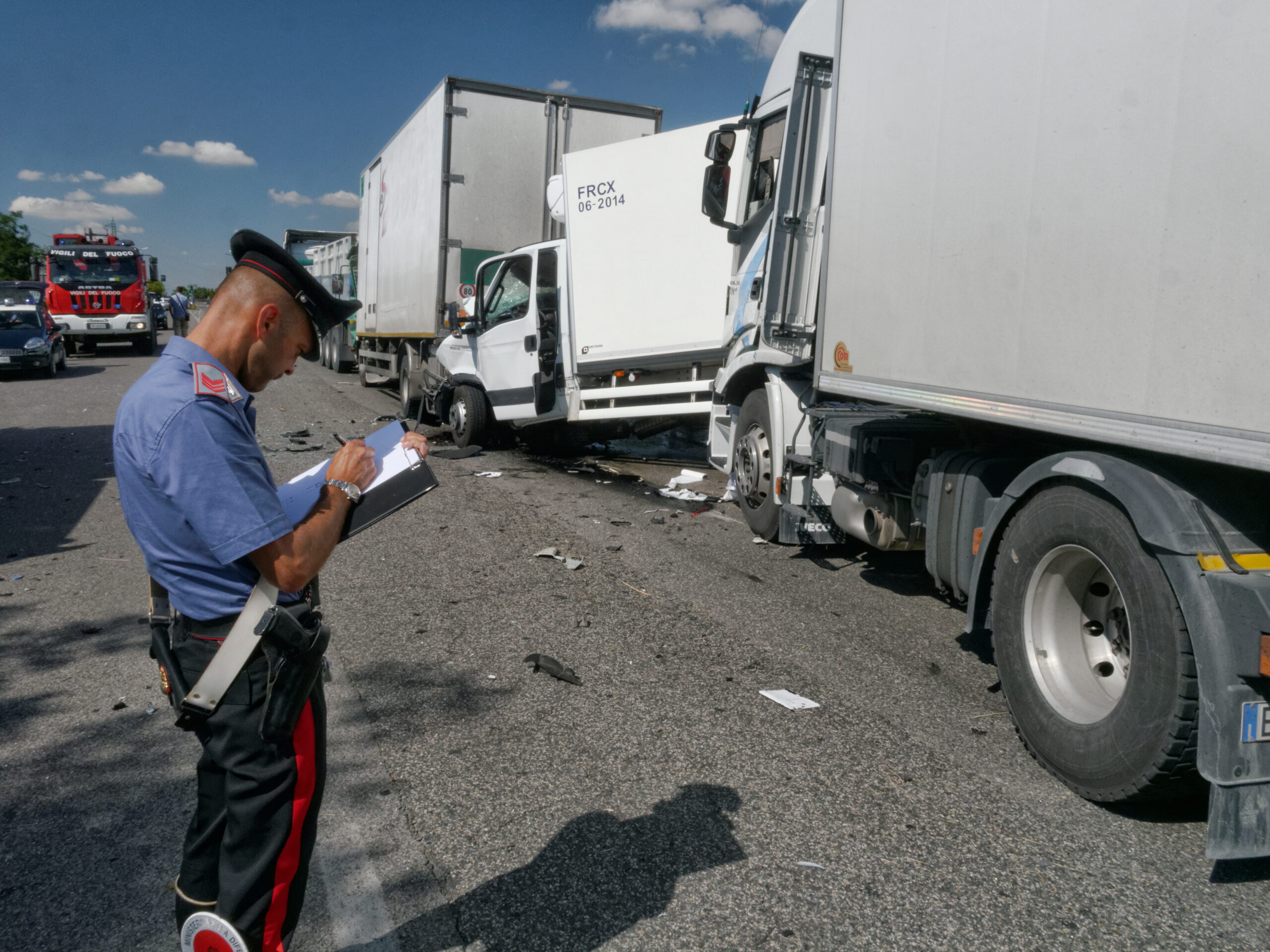
When a trucking company is liable, it means the company can be held legally responsible for damages caused by its driver’s negligence after a crash. This may include the obligation to provide compensation for:
- Medical expenses
- Lost wages
- Future medical care
- Pain and suffering
- Property damage
In truck accident cases, liability often extends beyond the individual driver because trucking companies are responsible for managing their drivers and maintaining safe operations.
When Is a Trucking Company Liable for Driver Negligence?
A trucking company is typically liable when the driver was acting within the scope of their employment at the time of an accident. This legal principle is known as vicarious liability.
When is a Driver Acting Within the Scope of Employment?
If a truck driver is performing job-related duties—such as delivering cargo, driving between job sites, or operating under dispatch—the trucking company may be responsible for the driver’s actions.
For example, if a driver causes an accident while making a scheduled delivery, the company may be held liable for resulting damages.
When is the Driver Not Acting Within the Scope?
A trucking company may not be liable if the driver was:
- Using the truck for personal reasons
- Off-duty and not performing work-related tasks
- Engaging in unauthorized activities
However, even in these situations, other forms of truck accident liability may still apply depending on the circumstances.
Direct Liability Can Occur When the Trucking Company Is Negligent
In addition to vicarious liability, a trucking company can be held directly liable for its own negligence. This occurs when the company’s actions contribute to the accident. For example:
Negligent Hiring
Trucking companies are responsible for hiring qualified drivers. A company may be liable if it hires a driver with:
- A history of unsafe driving
- Prior DUI convictions, and the driver was impaired at the time of the crash
- Lack of proper licensing
- Inadequate experience
For example, hiring a driver with multiple safety violations without proper screening could expose the company to liability.
Negligent Training
Drivers must be properly trained to operate large commercial vehicles safely. A trucking company may be responsible if it fails to provide adequate training on:
- Vehicle operation
- Safety procedures
- Emergency response
- Handling hazardous conditions
Negligent Supervision
Companies must monitor driver behavior and ensure compliance with safety standards. Failure to properly supervise drivers—such as ignoring repeated violations—can lead to liability.
Failure to Maintain Vehicles
Trucking companies are required to keep their vehicles in safe working condition. Mechanical issues, such as brake failures, tire blowouts, and steering problems, may result from poor maintenance.
If a company neglects inspections or repairs, it may be held responsible for resulting accidents.
Federal Trucking Regulations and Liability
Interstate trucking companies must comply with regulations set by the Federal Motor Carrier Safety Administration (FMCSA). Violations of these rules can play a key role in determining liability and holding the trucking company responsible for the accident.
The FMCSA specifically regulates:
Hours of Service (HOS) Rules
The HOS rules limit how long drivers can operate without rest. If a company pressures drivers to exceed these limits and a fatigue-related accident occurs, the company may be held directly responsible.
Driver Qualification Requirements
Companies must ensure drivers meet federal standards, including:
- Valid commercial driver’s license (CDL)
- Medical certifications
- Safe driving history
Maintenance and Inspection Requirements
Trucking companies must perform routine inspections and maintain detailed records. Failure to comply can indicate negligence.
Florida Trucking Laws That Can Affect Liability
In addition to federal regulations, trucking companies operating in Florida must comply with state-specific laws that can directly affect liability after an accident. Understanding these laws can help determine whether a trucking company or driver may be responsible for your injuries.
Florida’s Comparative Negligence Law
Florida follows a modified comparative negligence rule, meaning fault can be shared among multiple parties. If you were partially at fault for the truck accident that injured you, you may still recover compensation, but your recovery will be reduced based on your percentage of fault.
For example, if you are found to be 20% responsible for the accident, your compensation may be reduced by 20%. However, if you are found to be more than 50% at fault, you may be unable to recover damages.
This makes it especially important to clearly establish the trucking company’s role in causing the accident.
Florida Insurance Requirements for Commercial Trucks
Unlike standard passenger vehicles, commercial trucks in Florida are subject to both state and federal insurance requirements, depending on how they operate. Under Florida law (Fla. Stat. § 627.7415), commercial motor vehicles must carry minimum liability coverage based on weight, including:
- $50,000 for vehicles between 26,000 and 35,000 pounds
- $100,000 for vehicles between 35,000 and 44,000 pounds
- $300,000 for vehicles over 44,000 pounds
However, many trucking companies are also subject to federal regulations, which require significantly higher levels of coverage. Under federal law (49 C.F.R. § 387), trucking companies may be required to carry:
- $750,000 for general freight
- $1 million or more for certain types of cargo
- Up to $5 million for hazardous materials
Because most commercial trucks operate across state lines or fall under federal regulation, these higher coverage limits often apply in real-world truck accident cases. As a result, truck accident claims may involve substantially higher insurance policies, which can affect the amount of compensation available to injured victims.
Florida’s Serious Injury Threshold
Florida is a no-fault state, but this system has limits, especially in all types of truck accident cases. To pursue compensation beyond your Personal Injury Protection (PIP) coverage, you must meet Florida’s serious injury threshold, which includes:
- Permanent injury
- Significant and permanent scarring or disfigurement
- Loss of an important bodily function
- Death
Because truck accidents often involve severe injuries, many victims meet this threshold and can pursue claims directly against the trucking company or other liable parties.
Vehicle Maintenance and Safety Obligations
Florida law requires commercial vehicles to be properly maintained and safe to operate on public roads. Trucking companies may be held liable if they fail to:
- Inspect vehicles regularly
- Repair known mechanical issues
- Maintain brakes, tires, and safety systems
- Keep accurate maintenance records
For example, if a truck’s brakes fail due to poor maintenance and cause a crash, the trucking company may be directly responsible.
Hours of Service Enforcement in Florida
While Hours of Service (HOS) rules are federal, they are enforced on Florida roadways through inspections and accident investigations. If a truck driver exceeds legal driving limits and causes an accident due to fatigue, both the driver and the trucking company may be liable, especially if the company encouraged or allowed the violation.
Why Florida Law Matters in Truck Accident Claims
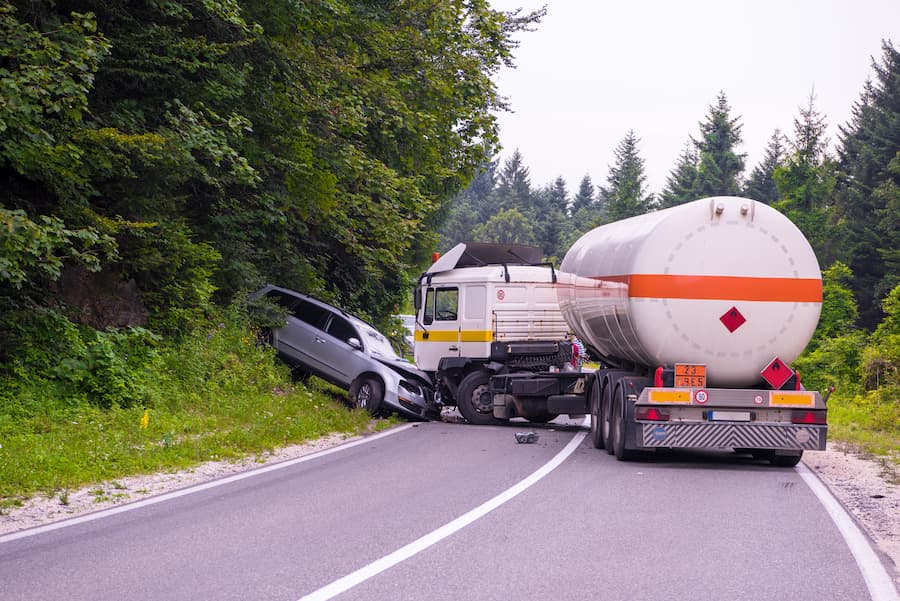
Florida’s combination of comparative negligence rules, insurance requirements, and injury thresholds can significantly affect how truck accident claims are handled. These laws influence:
- Who can be held liable
- How much compensation may be available
- Whether a truck accident lawsuit can be filed beyond PIP coverage
Because truck accident cases often involve both state and federal law, determining liability can be complex. The best way to protect your claim is to work with an experienced truck accident lawyer who understands all applicable laws and regulations.
Other Parties That May Be Liable in a Truck Accident
Truck accident cases often involve multiple potentially responsible parties, including:
Cargo Loading Companies
Improperly loaded cargo can shift during transport, causing accidents.
Truck Manufacturers
Defective vehicle parts may contribute to crashes.
Maintenance Providers
Third-party repair companies may be liable if faulty repairs lead to an accident.
Identifying all liable parties is important because it can increase the total amount of insurance coverage and compensation available.
Evidence That Can Prove Trucking Company Liability
Truck accident cases often require extensive evidence. Important evidence may include:
- Driver logs and electronic logging devices (ELDs)
- Maintenance records
- Employment and training records
- Black box data from the truck
- Surveillance footage
- Witness statements
For example, driver logs showing excessive hours can help prove fatigue-related negligence.
Why Truck Accident Cases Are More Complex
Truck accident claims are often more complicated than standard car accident cases because they involve:
- Federal regulations
- Multiple parties
- Commercial insurance policies
- Large-scale damages
Trucking companies and their insurers often have legal teams that respond immediately to minimize the company’s liability. You need a legal team in your corner to protect your rights.
What Compensation May Be Available?
If a trucking company is found liable, injured victims may recover compensation for:
- Medical bills
- Future medical expenses
- Lost income
- Loss of earning capacity
- Pain and suffering
- Emotional distress
In severe cases, compensation may be substantial due to the seriousness of truck accident injuries.
How a Personal Injury Attorney Can Help
Truck accident cases require a detailed investigation and a strong legal strategy. An attorney can help build a strong claim by:
Investigating the Accident
Determining how the accident occurred and identifying all liable parties.
Preserving Evidence
Securing critical records before they are lost or destroyed.
Handling Insurance Companies
Negotiating with insurers who may attempt to minimize payouts.
Building a Strong Case
Using expert testimony and documentation to support your claim.
Pursuing Full Compensation
Ensuring your claim reflects the full extent of your damages.
Frequently Asked Questions About Trucking Company Liability
Can you sue a trucking company after an accident?
Yes, if the trucking company’s negligence contributed to the accident, you may be able to file a claim against the company.
Are trucking companies always responsible for their drivers?
Not always. Liability depends on whether the driver was acting within the scope of employment and whether the company was negligent.
What if the driver is an independent contractor?
Liability may still apply depending on the company’s level of control and other factors.
How long do you have to file a truck accident claim in Florida?
The Florida statute of limitations generally allows two years from the date of the accident to file a personal injury lawsuit.
After a Truck Accident: Let the Team at Holliday Karatinos Explain Your Options
If you are wondering when the trucking company is liable for driver negligence, the answer depends on how the accident occurred and whether the company failed to meet its responsibilities. Truck accidents can lead to serious injuries and complex legal claims. Identifying all responsible parties is essential to recovering full compensation.
The attorneys at Holliday Karatinos Law Firm help individuals injured in truck accidents understand their rights and pursue claims against negligent drivers and trucking companies. If you or a loved one has been injured in a truck accident, call (352) 597-0009 for a free consultation to discuss your case and explore your legal options.

James Wayne Holliday
James Wayne Holliday has been practicing law since 1995. He has been named as a “Best Attorney” Lifetime Charter Member in Florida, an honor awarded to less than one percent of the nation’s lawyers.
Mr. Holliday has earned a reputation as a relentless trial lawyer because of his outstanding work ethic and thorough preparation of his cases for trial.
Author's Bio


