When a dog darts into traffic or a cow wanders onto the highway, most people assume there's no one to hold accountable—it's just bad luck. That assumption is often wrong, and it costs accident victims compensation they're legally entitled to.
Liability in animal-related accidents depends on what kind of animal was involved and where the collision occurred. A pet that escapes from a yard could point to the owner's failure to control their animal. Livestock on a roadway raises questions about fencing requirements and whether your area follows open range or closed range laws. Even wildlife collisions, where no one owns the animal, can lead to claims against government entities if they knew about a dangerous crossing area and failed to post warnings or install barriers.
The other factor that will determine your recovery is your own conduct. Insurance adjusters will scrutinize your speed, your attentiveness, and whether you took reasonable steps to avoid the collision. For motorcyclists, the stakes are even higher. Animal collisions account for a disproportionate share of serious motorcycle injuries, and not wearing a helmet can reduce your compensation even if the accident wasn't your fault.
The legal framework here is more nuanced than most people expect, and the difference between recovering your losses and absorbing them yourself often comes down to understanding which rules apply to your specific situation.
If you were in a recent accident caused by an animal, call Holliday Karatinos Law Firm today for a free consultation.
Key Takeaways For Animal-Related Accident Claims
- Liability depends on the animal's owner and location. A pet owner is responsible for controlling their animal and ensuring it does not cause injury, while livestock on a highway falls under state stock laws, and wildlife collisions might involve government negligence.
- Government entities may be at fault for wildlife accidents. If the state or local agency knew (or should have known) about a dangerous condition, such as a frequent wildlife crossing without adequate warnings or fences, and did nothing, they can be held liable.
- Your own actions will be scrutinized, especially for motorcyclists. Insurance companies will investigate your speed and attentiveness, and for motorcyclists, not wearing a helmet may reduce compensation under comparative negligence rules.
Determining Fault In Animal-Vehicle Collisions
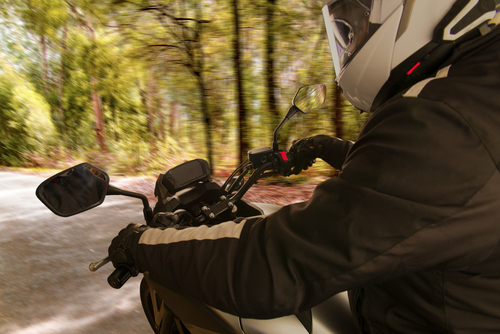
At the heart of any personal injury claim is the legal principle of negligence. Negligence is the failure to use reasonable care to prevent harm to others. To win a negligence case, an injured person must prove that another party had a duty to act with a certain level of care, breached that duty, and that this breach directly caused the accident and resulting injuries.
In an accident involving an animal, this legal framework applies, but identifying the responsible party is tricky. Liability generally falls into one of three categories:
- The Animal's Owner: This applies to pets and livestock. Owners have a duty to restrain and control their animals to prevent injuries from occurring.
- A Government Entity: This applies to wildlife. While no one owns wild animals, a government agency is responsible for maintaining safe road conditions, which includes sufficiently warning drivers about known hazards.
- Another Driver: Sometimes, another driver's actions, such as swerving to avoid an animal, cause a secondary collision. In that case, their driving behavior is the focus.
When Animal Owners Are Held Responsible
When a domestic animal, such as a pet or livestock, causes an accident, the owner is the first place to look for liability. The legal standards for holding them accountable depend on the type of animal involved.
Liability for Pets Causing Accidents
A dog chasing a ball into the road is a classic example. In most cases, the dog's owner is liable for any resulting crash. The legal theory here is simple negligence—the owner failed in their duty to keep the dog leashed or secured in a yard. You would then have to show the owner's actions were unreasonable, such as leaving a gate open.
Florida has strict liability laws that strengthen these claims. Florida Statutes § 767.04 holds dog owners liable for damages their dog causes, regardless of whether the owner knew the dog was dangerous or had any prior history of aggression. While the statute specifically addresses dog bites, courts typically extend its principles to negligence claims involving dogs that cause other types of harm.
Livestock Laws in Florida
Florida operates primarily as a closed range state under Florida Statutes Chapter 588, which means livestock owners generally have a duty to fence in their animals and prevent them from wandering onto roads. If a cow escapes and causes a wreck, the owner is typically presumed to be negligent for failing to properly contain their livestock.
However, some rural counties in Florida have voted to maintain open range status, where livestock are permitted to roam and drivers bear more responsibility for avoiding animals on the road. The key exception is that even in open-range counties, Florida Statutes § 588.13 makes it unlawful for livestock owners to intentionally allow their animals onto public roads. This means that even in areas where cattle may legally roam on private land, an owner who knowingly permits animals to wander onto highways can be held liable for resulting accidents.
Government Liability for Wildlife Accidents
No one is liable for the unpredictable behavior of a wild animal. However, if a government entity is responsible for road safety and fails to address a known, recurring danger, it may be held accountable for a resulting collision. This area of law is governed by the principle of sovereign immunity, which generally protects government bodies from motorcycle accident lawsuits, but Florida has waived this immunity under specific circumstances.
For a government entity to be liable, the injured person must typically prove:
- A dangerous condition on public property created a foreseeable risk of injury.
- The government entity knew or should have known about the dangerous condition.
- The entity had enough time to fix the problem or warn the public but failed to do so.
In Florida, Florida Statutes § 768.28 waives sovereign immunity and allows individuals to sue state and local government entities for negligence. For example, if a stretch of road is a known deer-crossing corridor and has a history of accidents, but the state fails to install warning signs or wildlife fencing, that failure could be considered a dangerous condition. The state had a duty to act and its inaction led to the crash.
However, pursuing a claim against the government in Florida comes with significant restrictions. The statute caps damages at $200,000 per person and $300,000 per incident, and you must provide written notice to the appropriate government agency before filing suit. These deadlines are strict, so consult a motorcycle accident attorney immediately if you suspect a government entity may be at fault.
How Comparative Negligence Affects Your Claim
In any vehicle accident case, the insurance company for the at-fault party will look for ways to shift the blame. One of the most common legal defenses they use is comparative negligence.

Under Florida Statutes § 768.81, if you are partially at fault for your own injuries, your compensation is reduced by your percentage of fault—and if you are found to be more than 50% responsible, you recover nothing at all.
For example, if a rancher was negligent for letting a cow wander onto the highway, but you were speeding at the time of the crash, a jury might find you 20% at fault and reduce your compensation accordingly. But if the defense convinces a jury you were 51% responsible, your recovery drops to zero.
The Helmet Defense in Motorcycle Claims
For motorcyclists, one of the most contentious issues in comparative negligence is the helmet defense. Florida allows riders over 21 to operate without a helmet if they carry at least $10,000 in medical insurance coverage, but that legal right doesn't shield you from comparative fault arguments.
The defense will argue that even if the rider was not at fault for causing the crash, their failure to wear a helmet contributed to the severity of their head injuries. Studies have found that death and severe injuries are more than twice as common for unhelmeted riders compared to those wearing helmets. While not wearing a helmet did not cause the deer to run into the road, it made the rider's injuries worse, which can reduce the amount of damages the defendant is responsible for paying.
What To Do After An Accident With An Animal
- Get a Medical Evaluation: Always get a full medical evaluation after an accident, even if you feel fine. Some serious injuries may not show symptoms for hours or days.
- Identify the Animal's Owner: If it was a pet or livestock, try to find the owner. Look for tags on a pet or branding on livestock. Get their contact and insurance information.
- Report the Accident: Notify your own insurance company about the crash. If you hit a wild animal, the claim is typically handled under your comprehensive coverage.
- Consult an Attorney: Before giving a recorded statement to any insurance adjuster, speak with a personal injury lawyer. An attorney will handle the legal process and work to prove who was at fault for your accident.
Frequently Asked Questions
What should I do if I hit a deer and it runs away?
Once you’re back home, call the police to report the incident. This ensures that a police report is created, which will be important for your claim. Even if the animal is long gone, take photos of any evidence left at the scene, such as blood or fur, as well as the damage to your vehicle. Lastly, always get medical treatment as soon as you can, even if you feel fine. Any delay will make the adjuster scrutinize your claim more closely.
Does my car insurance cover hitting an animal?
Collisions with animals are typically covered under the comprehensive portion of your auto insurance policy, not collision coverage. Because these claims can still raise coverage disputes or liability questions, speaking with a car accident lawyer can help ensure your rights are protected if complications arise.
Can I be found at fault for swerving to avoid an animal and hitting something else?
Yes. While swerving is a natural instinct, it may lead to more dangerous outcomes, such as a head-on collision or rolling your vehicle. From a legal standpoint, every driver has a duty to maintain control of their vehicle. If you swerve to miss a squirrel and hit another car, an adjuster will likely argue that you were at fault for the collision with the other car. Always speak with an attorney to understand what legal options are available.
How long do I have to file a claim against a government entity?
The time limit, or statute of limitations, for filing a claim against a government entity is much shorter than for a standard personal injury case. In many states, you must provide a formal notice of claim within months of the accident. Failure to meet this deadline will permanently bar you from recovering any compensation. This is why it is essential to contact an attorney as soon as possible after the accident.
Don't Assume You Have No Options

Most people walk away from an animal-related accident believing they have no recourse—that hitting a dog or a cow or a deer is just one of those things that happens, and they're stuck covering the costs themselves. That belief costs accident victims thousands of dollars in medical bills, lost wages, and vehicle repairs that someone else should be paying for.
The law doesn't treat these accidents as acts of fate.
- Pet owners have a duty to control their animals.
- Livestock owners in Florida must keep their animals off public roads, even in open-range counties.
- Government agencies that ignore known wildlife hazards can be held accountable for failing to warn drivers or install protective barriers.
You shouldn't have to absorb the financial consequences of someone else's failure to meet these legal obligations. Call Holliday Karatinos Law Firm today for a free consultation. We'll review the facts of your accident, identify who may be liable, and explain what your options are moving forward.

James Wayne Holliday
James Wayne Holliday has been practicing law since 1995. He has been named as a “Best Attorney” Lifetime Charter Member in Florida, an honor awarded to less than one percent of the nation’s lawyers.
Mr. Holliday has earned a reputation as a relentless trial lawyer because of his outstanding work ethic and thorough preparation of his cases for trial.
Author's Bio


