If you are injured on someone else’s property, you may be wondering whether you have the right to file a lawsuit. In many situations, the answer is yes. Property owners and businesses have a legal responsibility to maintain reasonably safe conditions for visitors.
When dangerous conditions are ignored or left unaddressed, serious accidents can happen. Slipping on a wet floor, tripping over broken pavement, or falling down poorly maintained stairs can lead to injuries that require medical treatment, time away from work, and ongoing care.
Under the legal theory of premises liability, injured individuals may be able to pursue compensation when a property owner’s negligence contributes to an accident.
However, not every injury on someone else’s property automatically leads to a successful lawsuit. Several factors determine whether a claim is valid, including why you were on the property, whether the owner knew about the hazard, and whether they took reasonable steps to fix or warn about the danger.
If you were injured on someone else’s property, speaking with a reputable premises liability attorney can help you understand your legal rights and determine whether you may have a claim.
What Is Premises Liability?
Premises liability is an area of personal injury law that holds property owners responsible when unsafe conditions on their property cause injuries.
Both businesses and homeowners have a duty to maintain reasonably safe environments. When they fail to do so, and someone is harmed, they may be legally responsible for the resulting damages.
Premises liability claims commonly arise from accidents such as:
- Slip and fall accidents
- Wet or slippery floors
- Uneven sidewalks or walkways
- Broken stairs or railings
- Poor lighting in hallways or parking lots
- Falling objects
- Unsafe elevators or escalators
- Swimming pool accidents
- Electrical hazards
- Exposure to dangerous chemicals
These accidents can occur in many different locations, including:
- Grocery stores
- Shopping centers
- Restaurants and bars
- Apartment complexes
- Hotels and resorts
- Nursing homes
- Office buildings
- Private residences
When an unsafe condition exists and the property owner fails to correct it or provide adequate warning, an injured person may have the right to pursue compensation through a premises liability claim.
When Can You Sue Someone for an Injury on Their Property?
To sue someone for injuries that occur on their property, you generally must show that the property owner was negligent. In a premises liability case, negligence typically involves proving four elements:
- Duty of Care
The property owner owed you a legal duty to maintain safe conditions or warn you about potential hazards.
- Breach of Duty
The owner failed to meet that responsibility by allowing a dangerous condition to exist.
- Causation
The unsafe condition directly caused your injury.
- Damages
You suffered measurable losses, including medical bills, lost wages, and pain and suffering.
If these elements can be proven, you may be entitled to compensation.
Why Your Legal Status on the Property Matters
One of the most important factors in premises liability cases is why you were on the property at the time of the accident. In many states, including Florida, visitors are generally categorized into three groups. The level of responsibility owed by the property owner depends on which category applies.
- Invitees
An invitee is someone who enters a property for the benefit of the property owner or business. Common examples include:
- Customers in a store
- Guests at a hotel
- Visitors at a shopping mall
- Patrons at a restaurant
Businesses owe invitees the highest duty of care. They must regularly inspect their property for hazards and promptly correct any dangerous conditions.
For example, if a grocery store employee knows about a spill on the floor but fails to clean it up or post a warning sign, the store could be liable for injuries from a slip-and-fall incident.
- Licensees
A licensee is someone who enters a property with permission but for their own purposes rather than for business. Examples include:
- Social guests at someone’s home
- Friends attending a gathering
- Neighbors visiting a property
Property owners must warn licensees about known dangers that may not be obvious, such as broken steps, exposed wiring, or unsafe flooring.
- Trespassers
A trespasser is someone who enters a property without permission. Property owners generally owe trespassers very limited duties. However, they cannot intentionally create hazards designed to cause harm.
There are also exceptions involving children, including the attractive nuisance doctrine.
The Attractive Nuisance Doctrine and Injured Children
Property owners may still be liable for injuries to children even if the child entered the property without permission. This principle is known as the “attractive nuisance doctrine.”
Certain conditions may naturally attract children who do not fully understand the risks involved. Examples include:
- Swimming pools
- Trampolines
- Abandoned vehicles
- Construction sites
- Machinery or equipment
Because children may not recognize the danger, property owners are expected to take reasonable steps to secure these hazards. For example, pools should be protected with fencing or locked gates to prevent unsupervised access.
Liability For Business Properties vs. Residential Properties
Whether the injury occurred on commercial or residential property can also affect the strength of a premises liability claim.
Business Property Liability
Businesses often have a greater responsibility to maintain safe conditions because they invite members of the public onto their property. This includes conducting routine inspections and addressing hazards quickly.
Examples of potential negligence may include:
- Failure to clean spills
- Poor maintenance of walkways
- Broken lighting in parking areas
- Inadequate security measures
Because businesses typically carry liability insurance, many premises liability claims arise from accidents that occur in commercial locations.
Residential Property Liability
Homeowners also have a duty to maintain safe conditions for visitors, but the standard may differ slightly from that applied to businesses. For example, homeowners must warn guests about known hazards such as:
- Broken staircases
- Loose flooring
- Unstable railings
- Hidden obstacles
However, homeowners may not be expected to conduct the same level of routine inspections required of businesses.
What Common Injuries Arise in Premises Liability Cases?
Accidents on unsafe property conditions can result in a wide range of injuries, including:
- Broken bones
- Head injuries
- Traumatic brain injuries
- Back and spinal cord injuries
- Soft tissue injuries
- Severe cuts or lacerations
- Burns or electrical injuries
In some cases, these injuries may require extensive medical treatment and prolonged recovery. This usually means the injured person is facing substantial costs and loss of income at the same time.
What Evidence Can Strengthen a Premises Liability Claim?
To pursue compensation successfully, strong evidence is often necessary. Helpful forms of evidence may include:
- Photographs of the hazard
- Surveillance footage
- Witness statements
- Incident reports
- Medical records
- Expert testimony
- Maintenance records
Documenting the accident scene as soon as possible can be extremely valuable when building a case. If you are unable, consider working with an experienced premises liability attorney who can investigate the circumstances of your accident and help build a strong claim for compensation.
What if You Were Partially at Fault?
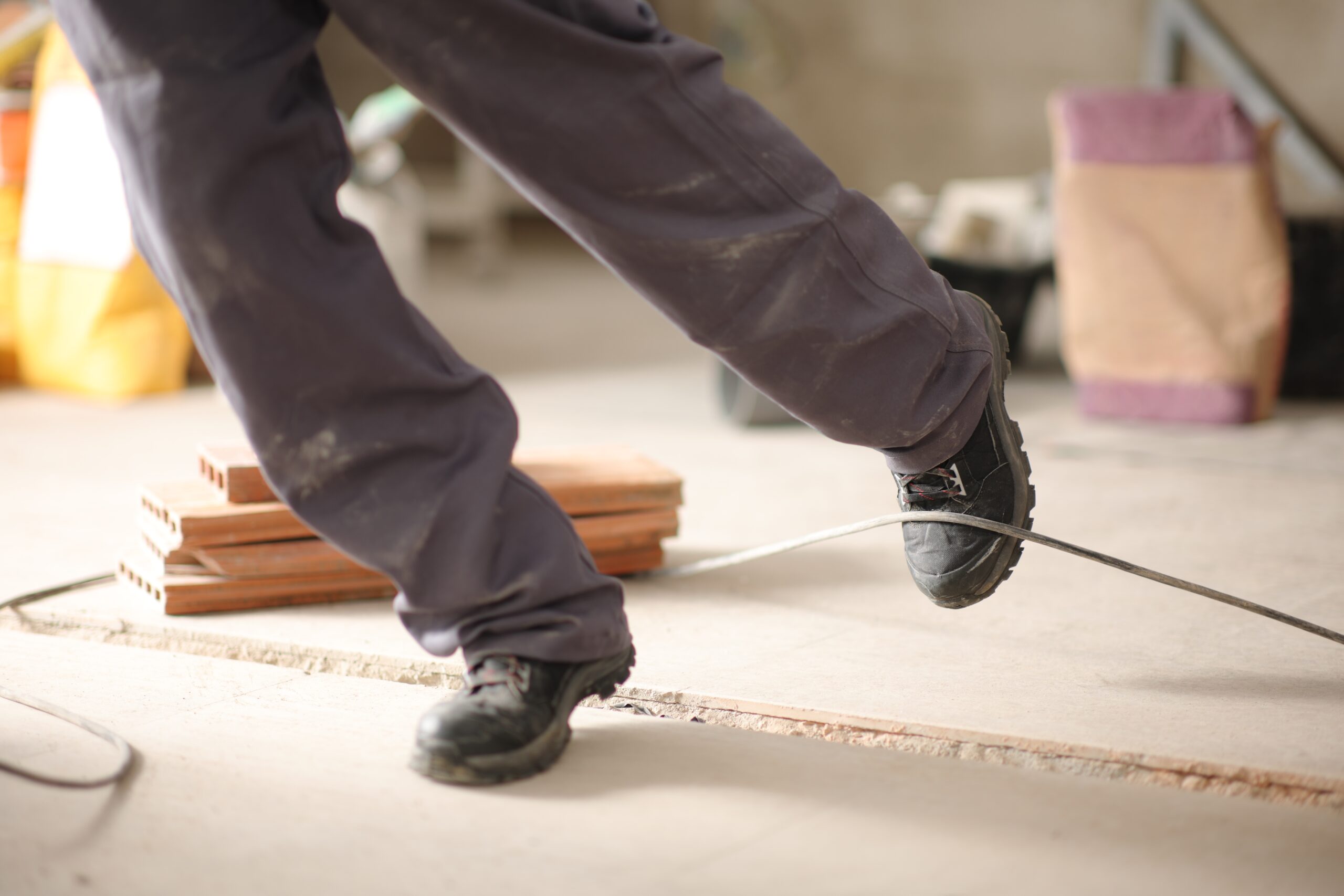
Sometimes, both the property owner and the injured person may share responsibility for an accident. In these cases, Florida follows a comparative negligence rule, meaning compensation may still be available even if the injured person was partially at fault.
However, the amount recovered may be reduced based on each party's assigned percentage of responsibility. For example, if the accident victim is found to be 20% responsible for their injuries, their awarded compensation may be reduced by that percentage.
Common Misconceptions About Premises Liability Lawsuits
Premises liability cases are often misunderstood. Several myths can prevent injured individuals from pursuing valid claims.
The Property Owner Is Always Responsible
An injury occurring on someone’s property does not automatically make the owner liable. Negligence must still be proven by solid evidence.
Slip and Fall Accidents Are the Only Type of Premises Case
Slip-and-fall accidents are common, but premises liability also covers incidents such as falling objects, unsafe stairs, and inadequate security, which are all examples of types of premises liability accident.
Filing a Claim Is Frivolous
Many premises liability claims involve legitimate injuries caused by unsafe property conditions. These cases exist to help injured individuals recover financial losses caused by negligence and may also lead to better-maintained properties.
You Can Only Recover Medical Bills
Compensation in premises liability cases may include medical expenses, lost income, and pain and suffering, among other damages.
What Compensation May Be Available in a Premises Liability Claim?
If a premises liability claim is successful, injured individuals may recover compensation for damages such as:
- Medical expenses
- Future medical treatment
- Lost wages
- Loss of earning capacity
- Rehabilitation costs
- Pain and suffering
- Emotional distress
The amount of compensation depends on the severity of the injury and the long-term impact on the individual’s life.
When Should I Speak With a Premises Liability Attorney?
Premises liability cases can involve complicated legal questions and aggressive insurance company defenses. Speaking with an attorney may be helpful if:
- Your injury required medical treatment
- Liability for the accident is disputed
- The insurance company denied your claim
- You are offered a settlement that seems too low
A dedicated injury lawyer can evaluate the facts of your case and explain what legal options may be available.
Frequently Asked Questions About Injuries on Someone Else’s Property
How long do I have to sue for an injury on someone’s property?
The amount of time you have to file a premises liability lawsuit depends on the statute of limitations in your state.
The Florida statute of limitations for most personal injury claims is generally two years from the date of the accident. If a lawsuit is not filed within this time frame, you may lose your right to pursue compensation.
Because gathering evidence and investigating a claim can take time, it can be crucial to speak with an attorney sooner rather than later.
Can you sue a homeowner if you are injured at their house?
Yes, it is possible to sue a homeowner if you are injured on their property due to unsafe conditions. Homeowners have a duty to warn guests about known hazards that may not be obvious.
For example, a homeowner may be responsible if a guest is injured because of:
- Broken steps
- Loose flooring
- Hidden holes in a yard
- Unsecured railings
- Dangerous swimming pool conditions
In many cases, these claims are handled through the homeowner’s insurance policy rather than directly against the individual homeowner.
What if a warning sign was posted?
If a property owner clearly warns visitors about a hazard, it may reduce or eliminate their liability. For instance, a store that places a visible “wet floor” sign near a spill may argue that customers were adequately warned of the danger. However, warning signs are not always enough.
If the hazard remains unaddressed for an unreasonable amount of time or the warning is not clearly visible, the property owner could still be found negligent. Each case depends heavily on the specific facts involved.
How much is a premises liability case worth?
The value of a premises liability case varies widely depending on several factors, including:
- The severity of the injury
- The cost of medical treatment
- Whether the injury causes permanent disability
- Lost income or reduced earning capacity
- Pain and suffering
Some cases involving minor injuries may settle out of court for relatively small amounts, while cases involving severe or permanent injuries may result in significantly larger settlements or trial verdicts. Because every case is different, an experienced personal injury attorney can help evaluate the potential value of a claim based on the available evidence.
Talk to the Team at Holliday Karatinos to Learn Whether You May Have a Premises Liability Claim
Being injured on someone else’s property can create unexpected financial and physical challenges. Medical bills, lost income, and ongoing treatment may place significant stress on injured individuals and their families.
If unsafe conditions on a property contributed to your injury, you may have the right to pursue compensation through a premises liability claim.
The attorneys at Holliday Karatinos Law Firm help injured individuals understand their legal rights and pursue claims against negligent property owners. Reach out for a free consultation to help you determine whether your accident may qualify for a premises liability lawsuit and what options you may have.

James Wayne Holliday
James Wayne Holliday has been practicing law since 1995. He has been named as a “Best Attorney” Lifetime Charter Member in Florida, an honor awarded to less than one percent of the nation’s lawyers.
Mr. Holliday has earned a reputation as a relentless trial lawyer because of his outstanding work ethic and thorough preparation of his cases for trial.
Author's Bio